Why single practice laps do not guarantee qualifying performance
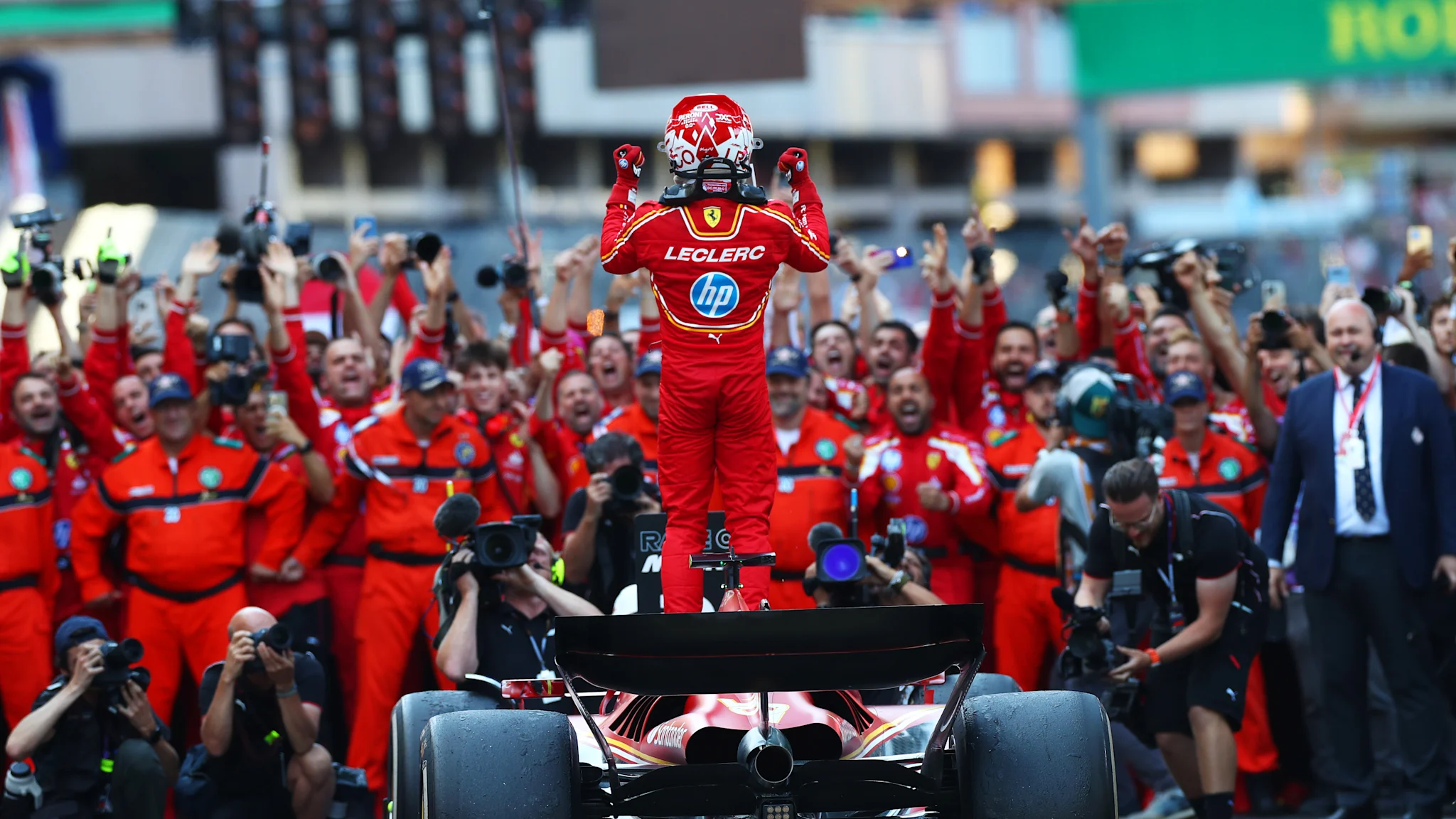
When teams begin a race weekend, early lap times often provide hints about single-lap pace, but they do not decide starting positions or reflect identical conditions. In opening practice for the 2026 United States GP: Leclerc set the fastest time of 1:36.052 on soft tyres, yet single-lap rankings in practice are heavily influenced by run programs, setup tests, and aerodynamic evaluations rather than all-out qualifying trim.
During the session, Max Verstappen initially logged an effort fast enough to displace the Ferrari, but the lap was deleted after an infringement at Turn 19. In qualifying sessions, track-limits enforcement directly determines where drivers line up on Sunday, meaning raw pace counts for nothing on the starting grid if car boundaries are breached.
Variable run plans and fine margins
Tyre strategies also vary significantly during practice sessions compared to qualifying rounds. At the Circuit of the Americas, Ferrari and McLaren started on medium tyres while Mercedes and Red Bull opened running on hard compounds, with teams only transitioning to soft tyres later before finishing the hour on higher-fuel race simulations.
While four different constructors finished within half a second of the top time in opening practice, drivers also faced differing car behaviors and setup trials, such as steering friction reported by Red Bull and front-wing checks requested at Mercedes. For newer fans looking ahead to qualifying, practice timing charts offer a broad view of team proximity, but qualifying requires extracting a clean, valid lap when everyone runs optimal tyres and low fuel simultaneously.
Official reference: Formula1.com’s account.

No comments:
Post a Comment